Color Temperature and Ambient Lighting: How Light Affects Mood, Energy and Sleep
What Is Color Temperature?
Measured in Kelvin (K), color temperature describes the hue of light - and counterintuitively, lower numbers mean warmer, amber light, while higher numbers mean cooler, bluer light.
- 2200-2700K - candlelight and warm incandescent bulbs
- 2700-3000K - the classic soft white of home lighting
- 3500-4100K - neutral white, for kitchens and bathrooms
- 4100-5000K+ - cool white to daylight; energizing, not relaxing
Our studio recommendation: in most cases, 2700K-3000K is the right choice for a home - the range where a house feels like home.
Your Body Reads the Hue, Not Just the Brightness
Specialized cells in the eye are especially sensitive to blue light. When they detect it, the brain suppresses melatonin - the sleep hormone. That's why cool light in the evening keeps you wired even when you're tired, while warm light (2700K and below) barely interferes with sleep readiness. Phones and screens emit exactly this blue-heavy light late into the night.
Room by Room
- Living room: 2700-3000K as the base layer - most evening downtime happens here
- Bedroom: 2200-2700K only, especially in the hour before sleep
- Kitchen: 3000K in the dining zone, up to 4000K near the stove and prep counters
- Bathroom: 3500-4000K at the mirror, plus a warm fixture for late nights
- Home office: 4000-5000K during work hours, plus a warm lamp for the evening
The Layering Rule
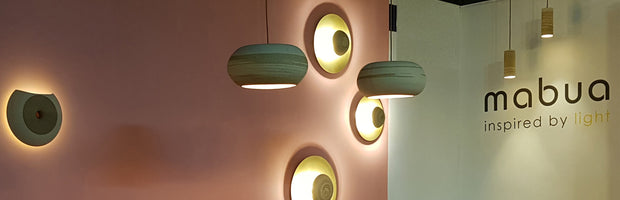
A room with a single ceiling fixture is a room with no control. Ambient lighting is built from three layers: general lighting, task lighting, and warm accent pieces - a pendant over the table, a side lamp, an indirect line of light. Each layer on its own switch, ideally dimmable.
The Evening Habit Worth Everything
After 9pm: turn off the general, cool lighting and stay with warm accent pieces only. This single habit does more for mood and sleep readiness than any other lighting upgrade.
The Common Mistake: Choosing a Cool Bulb "Because It's Strong"
Brightness and hue are two different things - a warm bulb can be very powerful. If a room feels "like an office" in the evening, the problem is almost always the hue, not the brightness.